Vitamin D, known as the sunshine vitamin, is crucial for our bodies as it helps maintain the strength of our bones, muscles and immune system. Many of us suffer from vitamin D deficiency due to lack of sunlight exposure, frequent use of air conditioners and poor diet. While a blood test can confirm a vitamin D deficiency, there are also other signs that the body shows that indicate low levels of this vitamin. Not only that, but a vitamin D deficiency can cause many health problems.
Here are 5 health problems caused by vitamin D deficiency:
Bone Weakness and Pain (Osteoporosis)
Vitamin D helps the body absorb calcium and phosphorus, two essential elements for building strong bones. Without enough vitamin D, the body cannot properly absorb these minerals, which can lead to soft, weak bones, making them more susceptible to fracture or injury.
In children, severe vitamin D deficiency causes rickets, a rare condition that causes soft bones and often leads to bowed legs. In adults, this condition is called osteomalacia, which causes bone pain and muscle weakness. People with vitamin D deficiency may develop osteoporosis, a disease in which bones become brittle and prone to fracture, increasing the risk of fractures.
Muscle Weakness and Pain
Vitamin D deficiency can cause muscle weakness, cramps, and pain. This occurs because vitamin D is essential for muscle function. When vitamin D levels are low, muscles may feel tired or achy, and it becomes difficult to move them, hindering daily activities.
Older adults with severe vitamin D deficiency are more likely to develop muscle weakness, especially near the hips and thighs, which can lead to problems walking or even increase the risk of falls. They may also experience muscle tremors, cramps, and tingling in the hands or feet.
Feeling tired and fatigued
Feeling tired and fatigued is a very common symptom of vitamin D deficiency. Research suggests that people with low vitamin D levels often experience chronic fatigue, even when they get enough sleep. Vitamin D plays a role in many bodily processes, including energy production. When it’s low, the body’s ability to produce energy is reduced, leading to feelings of fatigue and weakness. This fatigue can impact daily life, making it difficult to concentrate or work.
Weakened immunity
Vitamin D is important for strengthening the immune system. It helps the body fight infections such as colds, flu, and other respiratory illnesses. When vitamin D levels are low, the immune system is weakened, increasing the likelihood of recurring illnesses.
Studies have shown that people with vitamin D deficiency are more susceptible to respiratory infections, such as bronchitis and pneumonia. Vitamin D may also play a role in mitigating the severity of viral infections, such as COVID-19.
Mood changes and depression
Vitamin D affects brain health and mood regulation. Low vitamin D levels have been linked to mood disorders such as depression and anxiety. People with vitamin D deficiency may feel sad, anxious, or have difficulty sleeping.
Some studies suggest that taking vitamin D supplements can help improve mood and reduce symptoms of depression, especially in older adults or those with extremely low vitamin D levels.
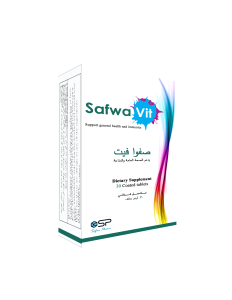
Safwa Vit contains 24 essential vitamins and minerals, topped with vitamin D, at the highest daily dose available on the market. A daily dose of vitamin D is the ideal solution for maintaining blood levels of vitamin D and preventing deficiency.
View Product