Methylfolate is the activated form of folate (vitamin B9) which our bodies use to support a host of vital body processes, from detoxing to keeping up good mental health. We explain the differences between methylfolate and other forms of folate, and why it’s better in every way.
What is the difference between methylfolate and other forms of folic acid?
The primary difference between methylfolate and natural folate lies in their chemical forms and how the body uses them.
Folate, the form found in plants
Natural folate refers to the various forms of folate found in foods, such as leafy greens and legumes. Natural folate from food sources is essential for overall health and provides a variety of partner nutrients, contributing to a balanced nutritious diet.
After eating this natural type of folate, our bodies have to activate it before it can be put to use. Natural folate from food sources goes through enzymatic conversion in the intestines and liver to become active forms of folate, including methylfolate.
Folic acid, a synthetic form for supplements
Folic acid is laboratory made, as a supplement. The body can modify and use it in place of natural folate from plants, but it does not have the same chemical structure. Dietary folates exist predominantly in the polyglutamyl form (containing several glutamate residues), whereas folic acid — the synthetic vitamin form — is a monoglutamate, containing just one glutamate moiety. In addition, natural folates are reduced molecules, whereas folic acid is fully oxidised.
Methylfolate, the activated form in the body
Methylfolate is the active form of folate, bypassing the need for enzymatic conversion and readily used by the body. It plays a crucial role in various biochemical processes, including DNA synthesis, neurotransmitter synthesis, and methylation reactions.
Methylfolate is the monoglutamyl or fully activated form of folate used in the human body. You may see it go by any of these names on your supplement label: 5-MTHF, 5-methyltetrahydrofolate, L-5-MTHF, 5-methyl-folate or L-methylfolate.
It is directly ready for our cells to use it, without needing any changes by enzymes first. The methylfolate sold as a supplement is laboratory made, but it has the exact same chemical structure as folate that has been processed and activated by enzymes inside the human body.
With high bioavailability – meaning it’s easy to absorb – methylfolate can easily cross cell membranes. It’s popular in nutritional supplements and fortified foods as a bioavailable form of folate. Supplementation with this active form is particularly beneficial for people with impaired methylation processes or those who have difficulty converting folic acid into its active form. It is particularly beneficial for people with impaired folate metabolism or genetic variations that affect the conversion of synthetic folic acid into active folate forms.
Key Points
Folate is natural vitamin B9 found in plants; folic acid is a synthetic, chemically similar substance. Both of these are turned into methylfolate in the liver, which is the form of folate that the body can use.
The benefits of methylfolate over alternative forms of folate
Methylfolate carries out a wide variety of vital processes in the human body. No other form of folate can participate in these processes, as the liver has to convert them into methylfolate first before the body can use them.
Supporting DNA Synthesis and Repair
Methylfolate aids in synthesising and repairing DNA, which is crucial for cell division and growth. By promoting healthy cell replication, it helps prevent DNA damage, lowering the risk of mutations and certain cancers.
Promoting red blood cell Formation
Methylfolate supports the production of red blood cells (erythropoiesis), helping red blood cells to mature in the bone marrow and carry oxygen effectively. This action helps prevent megaloblastic anaemia, characterised by large, immature red blood cells which are bad at carrying oxygen.
Boosting immune function and white blood cells
Methylfolate supports immune function by promoting the proliferation and activity of immune cells such as T cells and natural killer cells. This activity helps maintain a robust immune response, reducing the risk of infections and autoimmune diseases.
Supporting Cognitive Function and Mental Health
Adequate folate levels are have an association with better cognitive performance and lower risk of age-related cognitive decline. Methylfolate is the only form of folate which can cross the blood-brain barrier and directly support mental health. It plays a role in synthesising neurotransmitters like serotonin, dopamine, and norepinephrine, vital for mood regulation and cognitive function. It’s also accepted these days that inadequate methylation plays a significant part in schizophrenia and major depression that doesn’t improve with typical anti-depressants.
Facilitating neural tube formation in pregnancy
Methylfolate contributes to neural tube development during early pregnancy, crucial for preventing neural tube defects like spina bifida and anencephaly in new born babies. This is why eating enough folate before conception and in the first trimester of pregnancy is vital.
Participating in Methylation Reactions
Methylation is crucial for gene expression, cellular signalling, and detoxification processes, supporting overall health and wellness. Methylfolate serves as a coenzyme in methylation reactions, contributing to the methylation of DNA, RNA, proteins, and lipids.
Keeping homocysteine levels down for heart health
Methylfolate participates in converting homocysteine to methionine, an essential amino acid. This activity helps regulate homocysteine levels, lowering the risk of cardiovascular disease.
Key Points
Methylfolate helps the body methylate DNA when creating new cells, including red and white blood cells. This process lowers our risk of cancer. Methylfolate also keeps the brain healthy, supporting mental health and memory formation. It’s essential for detoxing various substances from the body, and keeping the heart and arteries healthy.
What is the right dose of methylfolate?
The right dose of methylfolate can vary depending on individual factors such as age, health status, and specific nutritional needs. However, typical recommended doses for methylfolate supplementation range from 400 to 1,000 micrograms (mcg) per day for most adults.
For people with certain health conditions or genetic variations that affect folate metabolism, higher doses may be necessary under the guidance of a healthcare professional. Pregnant women or those planning pregnancy may require higher doses of methylfolate (800 to 1,000 micrograms) to support foetal development and prevent neural tube defects.
Key Points
Most adults need 400 mcg to 1000 mcg of methylfolate. Ask your doctor for dosing advice if you are pregnant.
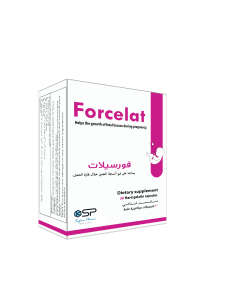
If you are planning to become pregnant or already pregnant, consult your doctor to prescribe Forcelat, which contains the highest level of Methylfolate in the market (the active form of folic acid) to ensure a safe pregnancy and a healthy baby.